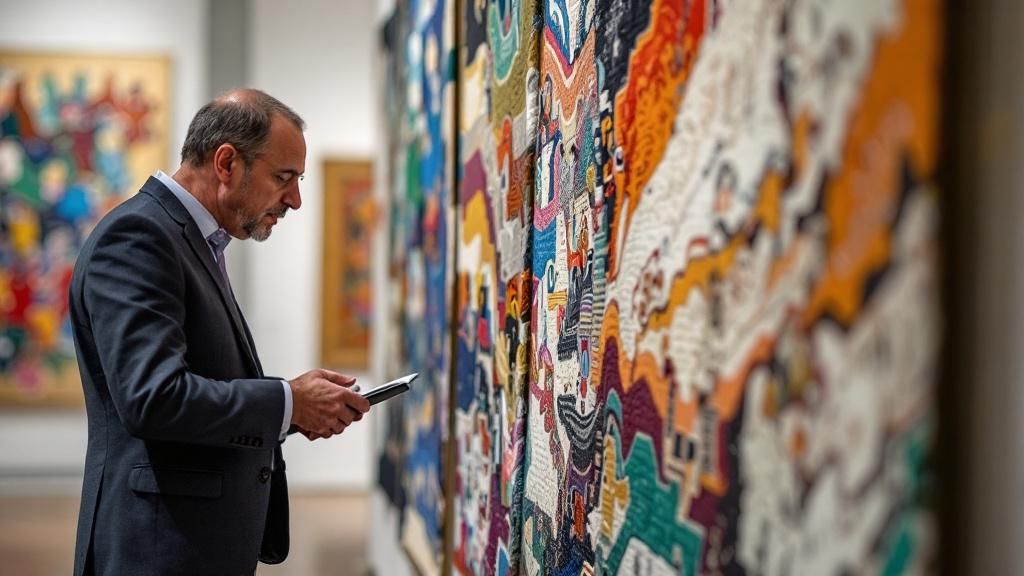
The British Museum has unveiled an far-reaching programme focused on safeguarding modern textile art traditions before they fade from history. This notable programme identifies the critical necessity to document and preserve the skilled artistry of current weavers, embroiderers, and textile artists across the planet. By blending traditional techniques with innovative conservation methods, the museum aims to create a detailed repository that recognises the cultural value of textile traditions whilst guaranteeing these treasured expertise continue to be available for coming generations.
The Museum’s Commitment to Textile Heritage
The British Museum’s dedication to textile conservation goes far beyond mere archival record-keeping. This programme demonstrates a fundamental dedication to recognising textile arts as a vital artistic expression deserving of institutional backing and scholarly attention. By creating dedicated restoration laboratories and employing specialist craftspeople, the museum recognises that modern textile traditions reflect centuries of gathered knowledge and artistic identity. The programme emphasises active collaboration with working artists, guaranteeing that living traditions are documented authentically and respectfully.
Central to this dedication is the museum’s recognition that textile heritage encounters unprecedented challenges in an increasingly digital world. Traditional learning structures are declining, and many local textile crafts risk disappearance within a single lifetime. Through this programme, the British Museum presents itself as a guardian of these priceless cultural resources, working collaboratively with skilled makers, regional organisations, and overseas partners. The programme creates a enduring structure for knowledge transfer, guaranteeing that contemporary weaving and embroidery practices continue to flourish and stimulate coming generations.
Understanding Current Textile Practices
Contemporary textile methods constitute a dynamic combination of heritage artisanal skill and modern creative output. These traditions span diverse techniques spanning hand-weaving and natural dyeing to innovative digital textile design. The British Museum’s initiative acknowledges that contemporary textile artists are not merely conserving historical processes; rather, they are actively evolving these methods to express contemporary visual sensibilities, cultural expressions, and ecological considerations. Understanding these changing approaches is crucial for grasping the full breadth of textile arts in the contemporary era.
Established Approaches in Modern Practice
Traditional fabric arts such as loom-based textile production, batik printing, and decorative needlework remain vibrant within contemporary artistic circles. Today’s craftspeople have ingeniously adapted these centuries-old methods to engage with current artistic ambitions and social themes. The safeguarding of traditional methods guarantees centuries of accumulated knowledge stays relevant and available. By recording modern uses of time-honoured practices, the British Museum illustrates how heritage craftsmanship remains profoundly relevant to today’s artists and audiences alike.
The integration of ancestral methods within current approaches creates noteworthy opportunities for artistic exchange and artistic innovation. Artists progressively combine heritage techniques with exploratory techniques, creating textiles that respect their traditions whilst pushing creative boundaries. This combination proves particularly valuable in regions where textile traditions constitute essential elements of cultural identity. The museum’s programme actively promotes these combined practices, identifying them as legitimate and vital expressions of modern textile art.
Helping Artisan Communities
The heritage project places considerable focus on assisting craft makers who preserve and advance textile traditions. These communities often face economic pressures, limited market access, and limited appreciation for their exceptional skills. The British Museum’s programme provides platforms for artisans to display their creations, promotes collaborative learning, and captures their techniques comprehensively. By raising the profile of textile artisans internationally, the initiative helps provide stable earnings for artisans committed to preserving these invaluable traditions.
Collaborative partnerships between the museum and skilled artisans represent the core of this supportive approach. These relationships emphasise true depiction and equitable benefit-sharing, ensuring that communities preserve autonomy over their cultural legacy. The initiative provides resources for skill transmission, supporting emerging practitioners acquire ancestral skills from established experts. Through mentorship programmes and collaborative sessions, the British Museum works towards reinforcing practitioner connections and sustaining tradition through generational learning within fabric craftsmanship.
Programme Results and Future Impact
The initiative is projected to deliver meaningful impact within its initial five-year period of operation. The museum anticipates establishing a digital collection featuring in excess of 10,000 textile pieces, in conjunction with thorough documentation of production techniques used by contemporary artisans. Additionally, the programme will facilitate collaborative partnerships with textile communities worldwide, encouraging the exchange of expertise and helping artisans through long-term financial support. These comprehensive efforts will create an invaluable resource for researchers, educators, and practitioners endeavouring to grasp and appreciate contemporary textile art traditions.
Looking ahead, the British Museum views this programme as a catalyst for expanded cultural safeguarding efforts across the cultural industries. By showcasing robust methodologies for capturing traditional craft traditions, the initiative will set industry standards standards applicable to other artistic disciplines. The museum is steadfastly committed to securing contemporary textile arts receive recognition equivalent to traditional visual arts, thereby enhancing their cultural status. Furthermore, forthcoming displays and learning activities will engage diverse audiences, inspiring renewed interest in textile skills amongst younger generations and safeguarding these remarkable traditions for posterity.
